
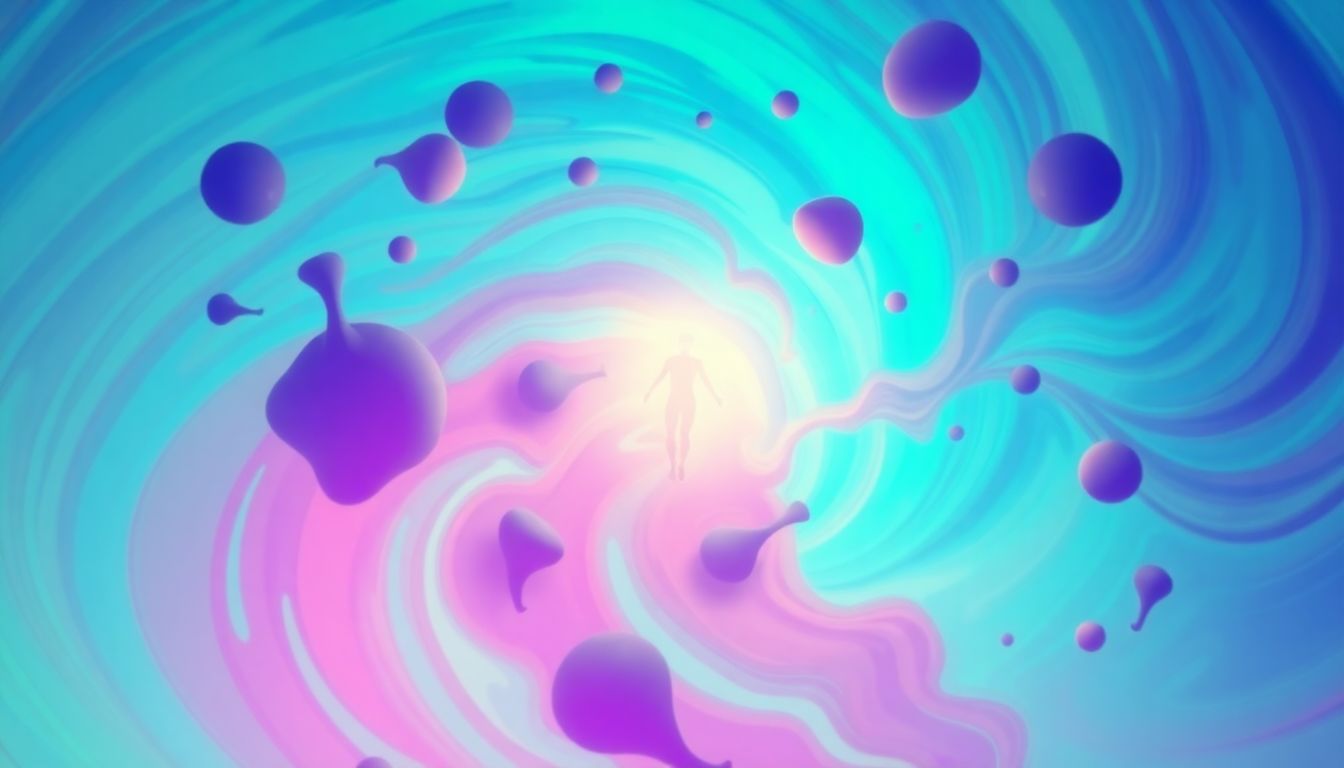
The Science of Sleep: Unlocking the Secrets of Why We Dream
Ever wonder what your dreams really mean? Dreams are weird, wild, and sometimes scary. They happen every night, but what's the point? This article explores the science of sleep and dreams. We'll cover sleep stages, dream theories, and common themes.
The Stages of Sleep and Their Impact on Dreaming
Sleep isn't just one thing. It's a cycle with different stages. Each stage affects the dreams we have. These stages include NREM (non-rapid eye movement) and REM (rapid eye movement) sleep.
NREM Sleep and Dreams
NREM sleep has three stages. Each one gets deeper and deeper. Dreams in NREM sleep are often short. They're also not as vivid as REM dreams. These dreams may seem more like thoughts. Brain activity slows down during NREM.
REM Sleep and Vivid Dreaming
REM sleep is where the action is! This is where most vivid dreams occur. Your brain is very active during REM sleep. It's almost like you're awake. Your eyes move rapidly. Your muscles are paralyzed too. This stops you from acting out your dreams. Parts of the brain like the pons, amygdala, and hippocampus are busy.
Major Theories Behind Why We Dream
Why do we dream anyway? There are several theories. Let's look at a few.
Activation-Synthesis Theory
One idea is the activation-synthesis theory. This theory says dreams are random. Nerve cells fire off signals in the brain. The brain then tries to make sense of these signals. So, dreams are just stories the brain makes up using random information.
Threat Simulation Theory
Another idea is the threat simulation theory. Dreams might help us prepare for danger. They let us practice dealing with threats in a safe space. Common scenarios include being chased or attacked.
Information Processing Theory
Dreams might also help process information. The information processing theory suggests sleep helps consolidate memories. The hippocampus plays a big role. It moves memories from short-term to long-term storage during sleep.
Common Dream Themes and Their Possible Meanings
Certain themes pop up a lot in dreams. What could these mean?
Dreams of Falling
Falling dreams are pretty common. They might mean you feel out of control. It also may point to anxiety.
Dreams of Being Chased
Being chased in a dream can be scary. It could mean you're avoiding something. Maybe you're dealing with stress.
Dreams of Losing Teeth
Dreams about losing teeth are also frequent. These dreams might show insecurity. It also could mean anxiety about changes.
Factors Influencing Dream Content and Recall
Many things change our dreams. What we think, feel, and experience matters.
Psychological Factors: Stress, Anxiety, and Trauma
Stress can greatly impact dream content. Nightmares are more common after trauma. Anxiety also leads to weird dreams.
External Stimuli: Sounds, Smells, and Tastes
Sounds, smells, and tastes around you seep into dreams. The honk of a car becomes part of a chase.
Medications and Substances
Some medicines mess with dreams. Certain substances also change dream recall. They also can cause nightmares.
Tips for Improving Dream Recall and Lucid Dreaming
Want to remember dreams better? Or even control dreams? Here's how.
Keeping a Dream Journal
Write down your dreams when you wake up. This helps you recall dreams better. Include details, no matter how strange.
Practicing Reality Checks
Ask yourself "Am I dreaming?" several times a day. This habit will carry over into your dreams.
Using Mnemonic Induction of Lucid Dreams (MILD)
Repeat "I will realize I'm dreaming" as you fall asleep. Visualize past dreams while doing so. This helps you to become lucid.
Conclusion
Dreams remain a mystery. We've explored sleep stages and the theories behind dreams. Common themes and the factors influencing them have been discussed. Understanding sleep is key. Start your dream exploration today!



![The Top 10 Most Powerful Countries in the World Right Now [2025 Rankings]](https://lh3.googleusercontent.com/blogger_img_proxy/AEn0k_u-NDxZX6zapwHLcI7LSi82F-9q7wDEATALV31tg9Rm-d8L8GWZYhOHi5he4h_A4mh2C4zTF5Z5TxAT4ffsd0AJJ1gQ467z-gSn1yhPaAtTf9FnYPLNWEm8xGkj24SkXXEgYjdHvO5EmQuR8O1wjsiT3NXAeJTrdRXqlapJRtYr6oWhKxpKmqmVhuIH84HvaevJxsQ=w72-h72-p-k-no-nu)


0 Comments